Tire Code Explained: How to Read Tire Size and Specifications Correctly
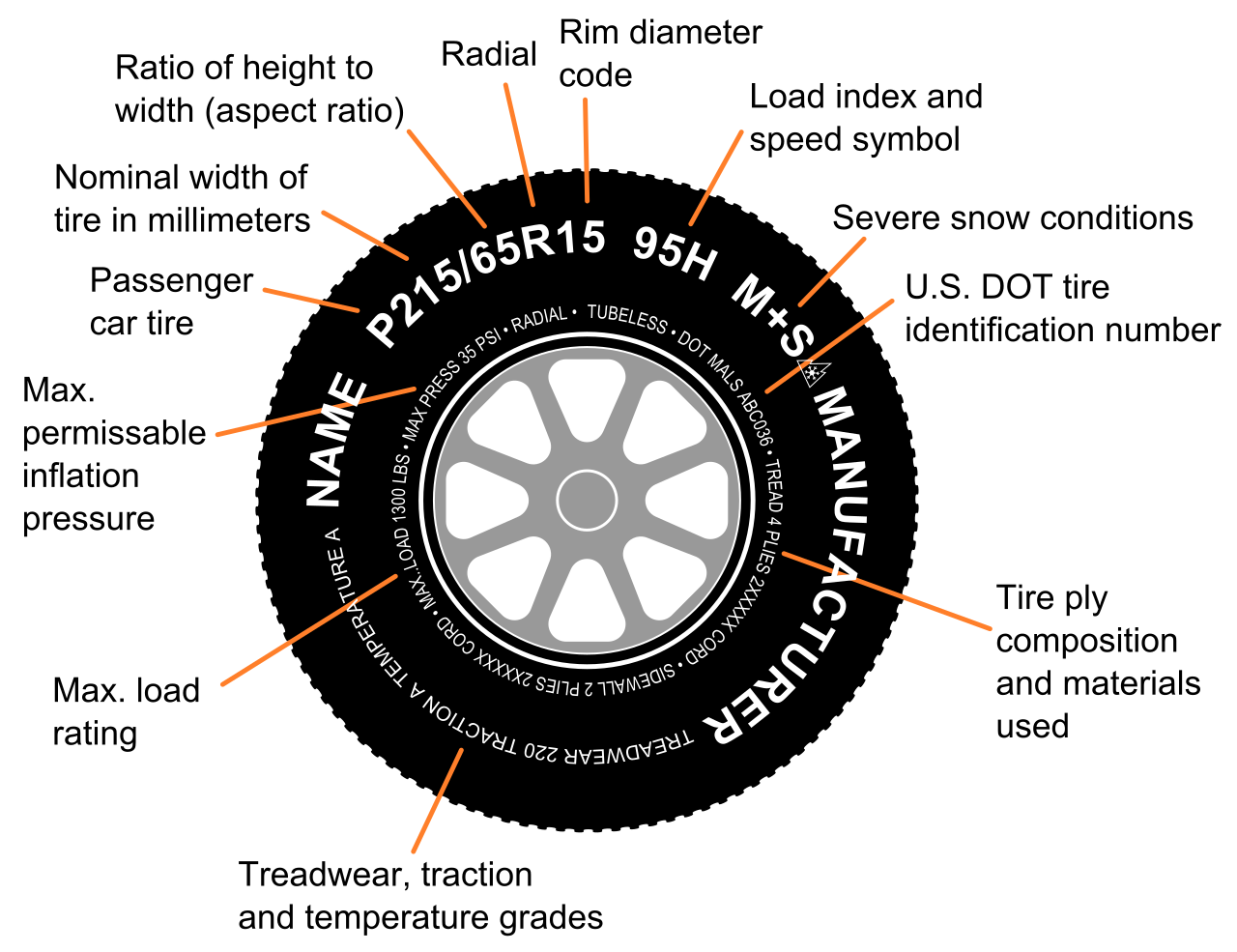
Every car tire comes with an alphanumeric tire code printed on its sidewall. This code contains essential information about the tire’s size, construction, performance, and load capacity. Understanding how to read a tire code is extremely important—especially when you’re buying new tires, upgrading your wheels, or using a tire size calculator to confirm compatibility.
Each section of the tire code represents a specific specification of the tire. Let’s break it down step by step.
1. Intended Vehicle Type
The first 1–2 letters indicate what type of vehicle the tire is designed for:
-
P (Passenger): For cars, SUVs, crossovers, minivans, and light pickup trucks.
-
LT (Light Truck): Built for heavier loads and towing.
-
ST (Special Trailer): Designed specifically for trailers.
-
T (Temporary): Used only for spare tires, not everyday driving.
2. Tire Width (Nominal Section Width)
The next 3-digit number represents the tire width in millimeters (mm).
This is the distance from one sidewall to the other.
Example:
-
215 means the tire is 215 mm wide
3. Aspect Ratio
Following the slash /, the next 2–3 digits show the aspect ratio, which is the height of the sidewall as a percentage of the tire’s width.
Example:
-
215/65 → The tire’s height is 65% of 215 mm
-
Sidewall height = 215 × 65% = 139.75 mm
4. Internal Tire Construction
The next letter indicates how the tire is built internally:
-
R (Radial): Most common tire type today; offers better ride comfort and fuel efficiency.
-
D (Diagonal/Bias): Older construction method with cords at a 30–40° angle.
-
B (Bias-Belted): A diagonal tire with extra reinforcement belts.
If no letter appears, the tire is assumed to be a cross-ply construction.
5. Wheel (Rim) Diameter
This 1–2 digit number tells you the wheel diameter in inches that the tire fits.
Example:
-
R17 → Tire fits a 17-inch wheel
6. Load Index
The 2–3 digit number after the wheel size indicates the maximum weight the tire can safely carry.
Example:
-
95 Load Index = 1,520 lb (690 kg) per tire at proper inflation.
7. Speed Rating
The final letter shows the maximum speed the tire can safely handle under its rated load.
Example:
-
H Rating = Up to 130 mph (210 km/h)
DOT Code – Tire Manufacturing Date
Every tire also includes a DOT (Department of Transportation) code, which identifies:
-
Manufacturer
-
Factory
-
Production batch
-
Manufacturing date
The last 4 digits indicate the production week and year.
Example:
-
1324 = 13th week of 2024
⚠️ Safety Tip: Tires older than 6–10 years should not be used, even if the tread looks good, due to rubber aging and material breakdown.
How Tire Size Is Calculated
Our tire calculator uses the following formulas:
✅ Section Height
✅ Tire Diameter
-
Tire Width → From the 3-digit number before
/ -
Aspect Ratio → From the number after
/ -
Wheel Diameter → From the number after the construction letter
What to Consider When Changing Tire or Wheel Size
Many drivers change tire and wheel sizes for performance, aesthetics, or replacement needs. However, incorrect sizing can lead to serious mechanical and safety issues.
✅ Key Things to Consider:
-
Suspension & Brake Stress: Improper sizes increase wear on suspension and ABS systems
-
Speedometer & Odometer Errors:
-
Larger tires → Speedometer reads slower than actual speed
-
Smaller tires → Speedometer reads faster than actual speed
-
-
Handling & Stability Issues: Different tire types or brands on the same axle can cause loss of traction and control
-
Wheel Well Clearance: Larger rims usually require thinner tires to maintain safe fitment
✅ Best Practice: Keep the overall tire diameter within ±3% of the factory size.
Tire Replacement Tips
-
Always replace tires in pairs (front or rear)
-
Ideally replace all four tires at the same time
-
Use the same brand, model, and size for balance and safety
-
Mixing tire types may cause:
-
Poor traction
-
Incorrect speed readings
-
Stability system errors
-
Why Tire Size Matters
Even small changes in tire size affect:
-
Fuel efficiency
-
Braking performance
-
Steering accuracy
-
Speedometer precision
-
Odometer distance tracking
That’s why using a tire size calculator before making any change is highly recommended.
⭐ Rate this